20 Jul
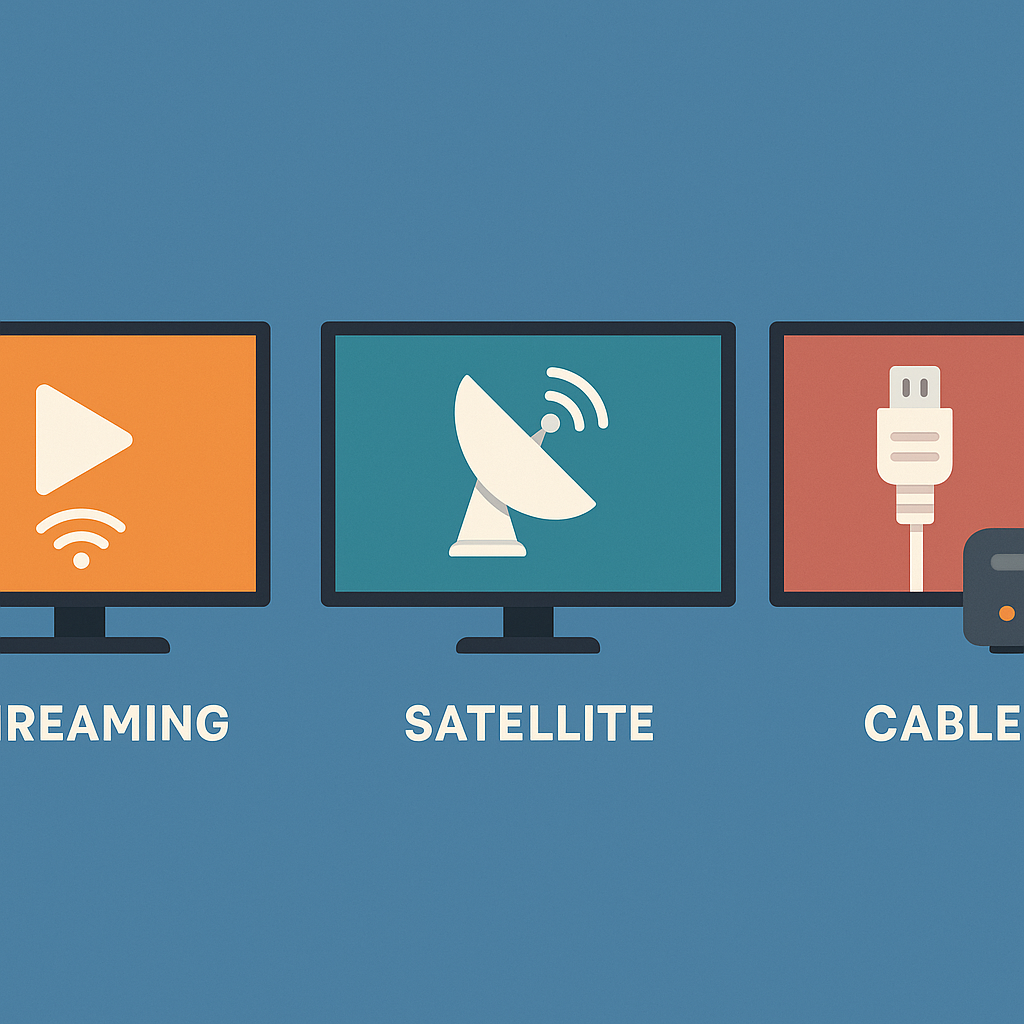
Streaming vs Satellite vs Cable is one of the biggest TV decisions for UK households in 2026, especially as more viewers move away from old-fashioned channel bundles and towards flexible internet-based telly. At Tiviprimes, we speak to a lot of viewers who simply want reliable entertainment without needing to become technical experts.
The good news is that you have more choice than ever. You can still watch through a satellite dish, keep a cable TV package where available, use Freeview, subscribe to apps such as BBC iPlayer, ITVX, Netflix and Prime Video, or choose IPTV and streaming services that bring live channels and on-demand content together over broadband.
But more choice can also feel more confusing. One neighbour may swear by Sky, another may be happy with a Fire TV Stick, whilst someone else may say cable gives them the best sport. In most cases, the right answer depends on your home, your broadband, your favourite channels, and how much you want to spend each month.
This guide explains the difference between streaming, satellite and cable in plain English. We will compare cost, picture quality, reliability, devices, sports coverage, installation, contracts, and everyday convenience, so you can decide what makes sense for your household in 2026.
Think of this as a calm, practical buyer guide rather than a technical manual. By the end, you should have a clear idea of which TV route suits your living room, your budget and your viewing habits.
Streaming vs Satellite vs Cable: The Simple UK Meaning
Before comparing the options, it helps to define them in everyday terms. Many people use the words streaming and IPTV interchangeably, whilst satellite and cable are often associated with long-term TV contracts. They all deliver TV to your screen, but they use different routes to get there.
Streaming means watching TV or video through the internet. This includes Netflix, Disney+, BBC iPlayer, ITVX, NOW, YouTube, live TV apps, and IPTV services. You usually watch through a smart TV, Firestick, Android box, tablet, phone or laptop.
Satellite TV uses a dish on or near your property to receive signals from satellites. In the UK, Sky has been the best-known satellite provider for decades, although Sky now also offers internet-based boxes such as Sky Stream.
Cable TV uses physical cable infrastructure, usually delivered through providers such as Virgin Media in areas where the network is available. Cable often comes bundled with broadband, landline and TV packages.
For a quick beginner-friendly explanation of internet TV, our guide on what IPTV means for UK viewers is a useful place to start if you are still unsure how live TV can work through broadband.
- Streaming uses your internet connection.
- Satellite uses a dish and receiver.
- Cable uses a fixed local network.
- Freeview uses an aerial for free channels.
- Many homes now mix two or more options.
What UK Households Are Choosing in 2026
UK viewing habits have changed sharply. A lot of viewers still like traditional live TV for news, sport and Saturday night programmes, but they no longer want to be tied to one box, one room or one expensive bundle. Younger households are especially comfortable opening an app rather than flicking through a channel guide.
In 2026, the typical UK home is not choosing one single system forever. Instead, many families are building a flexible setup. They might keep Freeview for basic channels, use BBC iPlayer and ITVX for catch-up, add a sports subscription during the football season, and use an IPTV or streaming service for wider live TV access.
Satellite still appeals to viewers who want a familiar channel experience, particularly where broadband is weak. Cable remains attractive where Virgin Media offers fast broadband bundles. However, streaming has become the default direction of travel because it works across more devices and usually requires less physical installation.
Common UK household patterns include:
- Families using a smart TV plus streaming apps.
- Football fans switching packages during the season.
- Older viewers keeping familiar live channel menus.
- Students and renters using Firesticks or laptops.
- Rural homes balancing satellite with mobile or fibre broadband.
- Busy households wanting catch-up more than live schedules.
Why Streaming Has Become the Everyday Default
Streaming has grown because it fits modern routines. You can watch EastEnders on BBC iPlayer after work, catch ITV drama later in the week, put CBeebies on a tablet for the children, or follow a live event on the main telly. You are not forced to sit down at exactly 8pm unless you want to.
The equipment is also simple. Many modern TVs already include major apps. If not, a Fire TV Stick, Roku, Apple TV, Chromecast or Android TV box can add streaming to an older screen. If you are planning that route, the Firestick IPTV installation guide for the UK walks through the basics in a very practical way.
Streaming is also easier for renters. You do not normally need permission to mount a dish, drill holes or book an engineer. You plug in a device, connect to Wi-Fi, sign in, and watch.
Why Satellite and Cable Still Have Loyal Fans
Despite the streaming boom, satellite and cable are not dead. Some viewers love the reliability of a traditional TV guide. Others prefer having everything on one bill, especially if they already have broadband and phone services bundled together.
Satellite can still work well in rural areas where broadband is patchy. Cable can be excellent in streets where Virgin Media has strong infrastructure. Sports fans may also feel more comfortable with established premium TV platforms for Premier League, Formula 1, cricket, golf and boxing coverage.
For some households, the biggest advantage is familiarity. If someone has used a Sky remote for 15 years, changing to apps and menus can feel like a lot. That is completely understandable. The best TV setup is not just the most modern one; it is the one your household will actually enjoy using.
Streaming vs Satellite vs Cable: Cost Comparison
Cost is often the deciding factor. Traditional satellite and cable packages can become expensive once you add sport, films, extra boxes, HD or UHD, and broadband bundles. Streaming can be cheaper, but only if you manage subscriptions carefully. Otherwise, several small monthly payments can quietly become one large bill.
With satellite or cable, you may see costs such as installation, activation, equipment rental, multi-room fees, contract increases and cancellation charges. With streaming, you may pay for broadband, apps, devices and optional services. IPTV subscriptions may also vary depending on channel range, support and reliability.
When comparing costs, look beyond the headline monthly price. Ask what you will pay across the whole year, including sport months, price rises and any one-off device costs. A £35 deal can become far more expensive if it excludes the channels you actually watch.
- Check the full monthly price after discounts end.
- Include broadband in your real TV cost.
- Watch for HD, UHD and multi-room extras.
- Cancel unused streaming apps regularly.
- Compare annual cost, not just first-month cost.
- Consider whether you need premium sport all year.
If you are weighing up IPTV subscription options, our IPTV buying guide for UK 2026 explains how to subscribe smartly and avoid choosing on price alone.
Picture Quality and Reliability in Real Homes
Picture quality matters, but it is not only about whether a service offers HD, Full HD or 4K. Your real experience depends on the source, your screen, your connection, your home Wi-Fi and the device you use. A brilliant 4K TV will not look its best if your broadband is struggling or your streaming stick is outdated.
Satellite can deliver very stable picture quality when the dish is correctly aligned, although extreme weather can occasionally affect reception. Cable can also be stable because it runs through a managed network. Streaming depends more heavily on your broadband and Wi-Fi, but with a decent UK fibre connection it can be excellent.
For many viewers, streaming picture quality is now more than good enough. BBC iPlayer, ITVX, Netflix and Prime Video can look sharp on modern TVs, and live IPTV can be smooth when the service and home connection are suitable. The good news is that most UK homes do not need business-grade internet to stream comfortably.
Broadband Speeds Needed for Streaming in the UK
In most cases, a standard fibre broadband connection from providers such as BT, EE, Sky Broadband, TalkTalk, Vodafone, Plusnet or Virgin Media will handle streaming well. The key is having enough speed for everyone in the home at the same time.
As a rough everyday guide:
- 5-10 Mbps can handle basic HD streaming on one screen.
- 15-25 Mbps is more comfortable for HD live TV.
- 30-50 Mbps suits several devices in a small home.
- 60-100 Mbps is better for busy families.
- 100 Mbps plus is useful for 4K, gaming and multiple rooms.
Speed is only part of the story. Wi-Fi strength matters too. A router hidden behind the sofa or placed in a hallway cupboard can cause buffering even when your broadband package is fast. Before switching fully to streaming, it is worth checking your setup with an IPTV requirements checklist for UK homes, especially if you plan to watch live channels regularly.
When Weather, Wi-Fi and Wiring Make a Difference
Each TV method has its weak points. Satellite can suffer during very heavy rain or snow. Cable can be affected by local network faults. Streaming can buffer if your router, Wi-Fi signal or broadband line is under strain. No system is perfect, so it is better to understand the risks than assume one option is always flawless.
If you live in a rural area with slow broadband, satellite may still be a sensible main option. If you live in a newer flat with strong full-fibre broadband, streaming may feel effortless. If your street has excellent cable infrastructure, a cable bundle may be convenient. The right choice is local as well as personal.
Simple fixes often improve streaming dramatically:
- Move the router into a more open position.
- Use Ethernet for the main TV if possible.
- Restart the router occasionally.
- Upgrade older streaming sticks.
- Reduce heavy downloads during live sport.
- Use mesh Wi-Fi in larger homes.
Devices: Smart TVs, Firesticks, Boxes and Traditional Set-Top Units
One of the biggest differences between streaming, satellite and cable is the device you use. Satellite and cable usually involve a dedicated set-top box. Streaming gives you more freedom because you can use many different screens and devices.
UK viewers commonly stream through Samsung, LG, Sony, Hisense and Philips smart TVs. Others prefer Fire TV Stick, Roku, Apple TV, Android TV, Nvidia Shield, tablets, smartphones or laptops. A lot of viewers like the Firestick because it is affordable, portable and familiar.
The best device is not always the most expensive one. It is the one that runs smoothly, receives updates, has enough storage, supports your favourite apps, and is easy for your household to navigate.
- Smart TVs are tidy and remote-friendly.
- Firesticks are affordable and simple to replace.
- Apple TV is polished but more expensive.
- Android boxes offer flexibility for confident users.
- Traditional set-top boxes suit familiar channel surfing.
If you are moving from a traditional box to a Firestick, the step-by-step UK Firestick IPTV setup guide can help make the change feel less daunting.
Live TV, Catch-Up and On-Demand Viewing
Traditional TV used to mean watching whatever was on. Streaming changed that. UK households now expect to pause, restart, catch up, search and watch on demand. This is where streaming has a clear advantage for many families.
BBC iPlayer, ITVX, Channel 4 and My5 are now part of normal British viewing. People catch up on dramas, documentaries, soaps and reality shows when it suits them. Streaming services also make it easier to discover older series, films and box sets.
Satellite and cable boxes do offer recording, catch-up and on-demand libraries, but they are usually tied to one provider and one ecosystem. Streaming is more open. You can use different apps on the same device and change subscriptions as your interests change.
For everyday viewing, ask yourself:
- Do you mostly watch live channels or on demand?
- Do you need recording, or is catch-up enough?
- Do several people watch different screens at once?
- Are BBC, ITV and Freeview channels essential?
- Do you want one bill or flexible apps?
Sport, Films and Premium Channels in 2026
Sport is often the trickiest part of choosing between streaming, satellite and cable. Premier League rights, Champions League coverage, F1, cricket, rugby, tennis and boxing may sit across different broadcasters and platforms. That means the cheapest option for entertainment may not be the cheapest option for sport.
Sky Sports, TNT Sports, Amazon Prime Video and other platforms have all played roles in UK sports broadcasting. Some viewers prefer the certainty of a traditional premium package. Others prefer flexible passes, seasonal subscriptions or streaming services that match what they actually watch.
Films are similar. You might use Sky Cinema, Netflix, Disney+, Prime Video, Apple TV+, NOW or other services. The best value depends on whether you watch new releases, family films, documentaries, classics or occasional weekend movies.
When comparing premium content, consider:
- Which competitions or channels are must-haves.
- Whether you need sport every month.
- How many screens your family needs.
- Whether 4K sport matters to you.
- How easy cancellation is.
- Whether the service is properly licensed and reputable.
For households considering IPTV as part of their sports and entertainment mix, the smart IPTV subscription guide is helpful because it focuses on reliability, support and sensible checks before paying.
Installation: Which Option Is Easiest?
Installation is where streaming often wins. Satellite may require a dish, cabling and an engineer visit. Cable requires your property to be connected to the local network, with a socket and set-top box. Streaming usually needs broadband, a compatible device and a login.
That does not mean streaming is always effortless. If your Wi-Fi is weak, your TV is old or your household has several heavy internet users, you may need to improve your setup first. However, for many UK homes, getting started is far quicker than arranging a dish or cable installation.
Typical installation differences:
- Streaming can often be set up the same day.
- Satellite may need a dish and clear line of sight.
- Cable is limited to network coverage areas.
- Freeview needs a working aerial.
- IPTV depends on broadband and device compatibility.
If you want to check your home before switching, use the UK IPTV requirements checklist to review broadband speed, device choice, router placement and other practical details.
Contracts, Flexibility and Moving Home
Flexibility matters more than ever. People move house, change jobs, cut costs, share homes and adjust subscriptions throughout the year. Streaming usually gives the most flexibility because many services are monthly. Cable and satellite often involve longer contracts, although offers vary.
If you are renting, in student accommodation, or likely to move soon, streaming is usually easier. You can take a Firestick or streaming box with you. With satellite or cable, you may need to check installation rules, landlord permission and service availability at the new address.
Longer contracts can still suit some households. If you know you want a full TV, broadband and sport bundle for 18 or 24 months, a traditional package may offer convenience. Just read the renewal terms carefully and set a reminder before discounts expire.
- Monthly streaming is easier to adjust.
- Bundles can be convenient but less flexible.
- Moving home may affect satellite or cable access.
- Introductory discounts often rise later.
- Device ownership differs between providers.
Streaming vs Satellite vs Cable for Different UK Households
There is no single winner for everyone. A retired couple in a rural village, a family in Manchester, a student in Leeds and a football fan in London may all need different setups. The most helpful way to choose is to match the service to your real life.
Families often benefit from streaming because children and adults can watch different things on different devices. Parental controls and profiles are important here. A strong broadband package is usually worth paying for if several screens are active at once.
Sports fans should start with the competitions they care about. Work backwards from Premier League, Champions League, F1, cricket or rugby rights, then compare the packages that carry them. Do not pay for a huge bundle if you only need one sport for part of the year.
Older viewers may prefer a simple channel guide and reliable remote. Streaming can still work brilliantly, but the interface must feel comfortable. A smart TV homepage with too many apps can be frustrating, so choose devices carefully.
Renters and students usually lean towards streaming because it is portable and requires no dish. A compact device can turn almost any HDMI telly into a flexible entertainment screen.
Rural households should be realistic about broadband. If fibre is not available and mobile signal is weak, satellite or Freeview may still play a major role whilst broadband options improve.
Common Mistakes to Avoid
When people change TV services, mistakes usually happen because they rush, focus only on price, or assume their neighbour’s setup will work exactly the same for them. A little planning can save a lot of frustration.
- Ignoring broadband quality: Fast advertised speeds mean little if Wi-Fi is poor in the living room.
- Buying the cheapest device: Very old or low-powered streaming devices can feel slow and unreliable.
- Forgetting must-have channels: Make a list before cancelling a package.
- Overlapping subscriptions: Several small apps can cost more than a bundle.
- Skipping contract terms: Check price rises, cancellation fees and renewal dates.
- Assuming 4K is automatic: You need the right plan, device, TV and connection.
- Choosing without support: Good customer help matters when something goes wrong.
Another common mistake is not testing the household routine. If three people stream at once whilst someone games online, your needs are different from a single viewer watching one programme at night. In most cases, a quick home check prevents disappointment.
How to Choose Between Streaming, Satellite and Cable
If you are still unsure, use a simple step-by-step process. This keeps the decision practical rather than emotional and helps you avoid paying for channels or equipment you do not need.
- List your must-watch content. Include BBC, ITV, Sky channels, Premier League, films, kids programmes, documentaries and international channels.
- Check your broadband. Run speed tests near the TV, not just beside the router. Think about evening use when the home is busiest.
- Review your current bill. Add TV, broadband, app subscriptions, sport passes and any extra boxes.
- Choose your main screen device. Decide whether you will use a smart TV, Firestick, Apple TV, Android box or provider box.
- Compare flexibility. Decide whether you want a monthly setup or are happy with a longer contract.
- Test before fully switching. If possible, try streaming alongside your current service for a short period.
- Cancel carefully. Check notice periods, recordings, email accounts and bundled discounts before ending a contract.
This process is especially useful if you are considering IPTV for the first time. If you want a deeper overview before subscribing, read the beginner guide to IPTV in the UK and then compare providers with your own viewing list in hand.
Future of UK TV Beyond 2026
The direction is clear: UK TV is becoming more internet-based. Even traditional broadcasters now place huge importance on apps. BBC iPlayer, ITVX, Channel 4 and My5 are no longer just catch-up extras; they are central parts of how people watch telly.
Satellite and cable will not vanish overnight. Many households still like them, and they can be practical in certain areas. But the long-term trend is towards streaming, personalisation and flexible subscriptions. More TVs will arrive with streaming built in, more broadband homes will move to full fibre, and more viewers will expect live and on-demand content in one place.
For UK households, the best approach is not to chase every new service. It is to build a setup that is reliable, affordable and simple. That might be streaming only, satellite plus apps, cable plus Netflix, or IPTV alongside Freeview. A balanced setup often beats an expensive one.
FAQ
Is streaming better than satellite TV in the UK?
Streaming is better for many UK households because it is flexible, works across devices and usually needs no dish installation. However, satellite can still be useful where broadband is weak or where viewers prefer a traditional channel guide. The best choice depends on your internet connection, favourite channels and budget.
Do I need fast broadband for IPTV and streaming?
You need stable broadband more than extreme speed. For one HD stream, many homes manage with modest fibre speeds, but busy families should aim higher. If several people stream, game or work from home at the same time, stronger broadband and good Wi-Fi will make a big difference.
Is cable TV still worth it in 2026?
Cable TV can still be worth it if you live in a strong cable area and want a convenient bundle with broadband, TV and possibly phone services. It may be less flexible than app-based streaming, so compare the full contract cost and make sure you actually watch the included channels.
Can I use Freeview with streaming services?
Yes. A lot of viewers use Freeview for everyday UK channels and streaming apps for catch-up, films, sport or extra entertainment. This can be a sensible low-cost setup, especially if you already have a working aerial and reliable broadband.
What is the cheapest option: streaming, satellite or cable?
Streaming is often the cheapest if you only pay for the apps and services you truly use. Satellite and cable can cost more, especially with sport and films, but bundles may suit some homes. Always compare the full yearly cost, including broadband, devices, add-ons and price rises.
Final Thoughts
Streaming vs Satellite vs Cable is not about finding one perfect answer for every UK household. It is about choosing the setup that fits your broadband, your budget, your favourite programmes and the way your family actually watches telly. The good news is that in 2026 you can be far more flexible than viewers were a decade ago. Whether you keep a traditional package, move fully to streaming, or build a mixed setup with IPTV, Freeview and apps, take your time and compare carefully. If you would like a premium IPTV option designed with UK viewers in mind, Tiviprimes is here to help you watch more confidently, comfortably and simply.